
Introduction
For generations, cast iron has earned its place in kitchens around the world. Its exceptional heat retention, remarkable durability, and ability to improve over time make it one of the few pieces of cookware you’ll likely never need to replace.
If you’ve recently purchased your first skillet—or inherited one that’s been in the family for years—you don’t need complicated routines or special equipment. With just a few simple habits, cast iron becomes one of the easiest and most rewarding pans to cook with.
Here’s everything you need to know to keep your skillet performing beautifully for decades.
Why Cast Iron?
Modern cookware often prioritizes convenience, but cast iron offers something different: longevity.
A quality skillet can move effortlessly from stovetop to oven, over a campfire, or directly to the dining table. Its thick walls store heat exceptionally well, producing beautifully browned vegetables, evenly cooked meats, and bakery-quality breads.
Unlike synthetic non-stick coatings, cast iron develops its own cooking surface naturally through regular use.
Understanding Seasoning
Seasoning is simply a thin layer of oil that has bonded to the surface of the pan through heat.
As these layers build over time, they create a naturally smooth cooking surface that helps food release more easily while protecting the iron underneath.
Every time you cook with a little oil, you’re continuing to improve the pan.
How to Season Your Skillet
Seasoning your pan for the first time takes very little effort.
Step 1
Wash the skillet with warm water and dry it thoroughly.
Step 2
Apply a very thin layer of neutral cooking oil across every surface.
Step 3
Wipe away any excess oil with a clean cloth until the pan appears almost dry.
Step 4
Bake upside down in a 450°F oven for one hour.
Step 5
Allow the skillet to cool naturally before storing.
This process creates the foundation for years of cooking.
Cooking with Cast Iron
One of the biggest misconceptions about cast iron is that it’s difficult to use.
In reality, a few simple habits make all the difference.
Preheat Slowly
Allow the pan to warm gradually over medium heat before adding ingredients. This ensures even cooking and prevents hot spots.
Cook with Oil
A small amount of cooking oil helps food release while gradually strengthening the seasoning.
Give Food Time
Proteins naturally release from the cooking surface once they’ve developed a proper crust. Avoid moving food too early.
Use the Oven
Cast iron shines when recipes transition from stovetop to oven. Frittatas, roasted vegetables, baked pasta, and skillet desserts all benefit from its even heat.
Cleaning Made Simple
Contrary to popular belief, caring for cast iron isn’t complicated.
After cooking:
- Allow the pan to cool slightly.
- Wash with warm water.
- Use a soft brush or scraper to remove food.
- Dry immediately.
- Apply a very light coat of oil before storing.
For stubborn food, coarse salt can be used as a gentle abrasive without damaging the seasoning.
Common Mistakes to Avoid
Soaking the Pan
Extended exposure to water can encourage rust.
Using Too Much Oil
Excess oil creates sticky seasoning rather than smooth layers.
Skipping Drying
Always dry cast iron immediately after washing.
Storing While Damp
Moisture is the primary cause of rust. Store cookware completely dry.
Foods That Work Best
Cast iron performs especially well with:
- Steaks
- Roasted vegetables
- Cornbread
- Fried eggs
- Crispy potatoes
- Burgers
- Dutch babies
- Fruit crisps
Its ability to maintain consistent heat produces beautifully caramelized results that are difficult to achieve with lighter cookware.
Featured Product
No. 10 Cast Iron Skillet
Our everyday cast iron skillet is designed for generations of cooking. Naturally seasoned, exceptionally durable, and equally comfortable on the stovetop, in the oven, or over an open flame.
View Product →
Final Thoughts
Cast iron has remained a kitchen staple for centuries because it rewards simple habits with exceptional performance.
The more you cook, the better it becomes.
Rather than striving for perfection, embrace the gradual process. Every meal strengthens the seasoning, every recipe adds character, and every year makes the skillet a little more uniquely yours.
With just a little care, a quality cast iron pan becomes more than cookware—it becomes part of your family’s traditions, ready to serve countless meals around the table for years to come.


 By Emily Gomez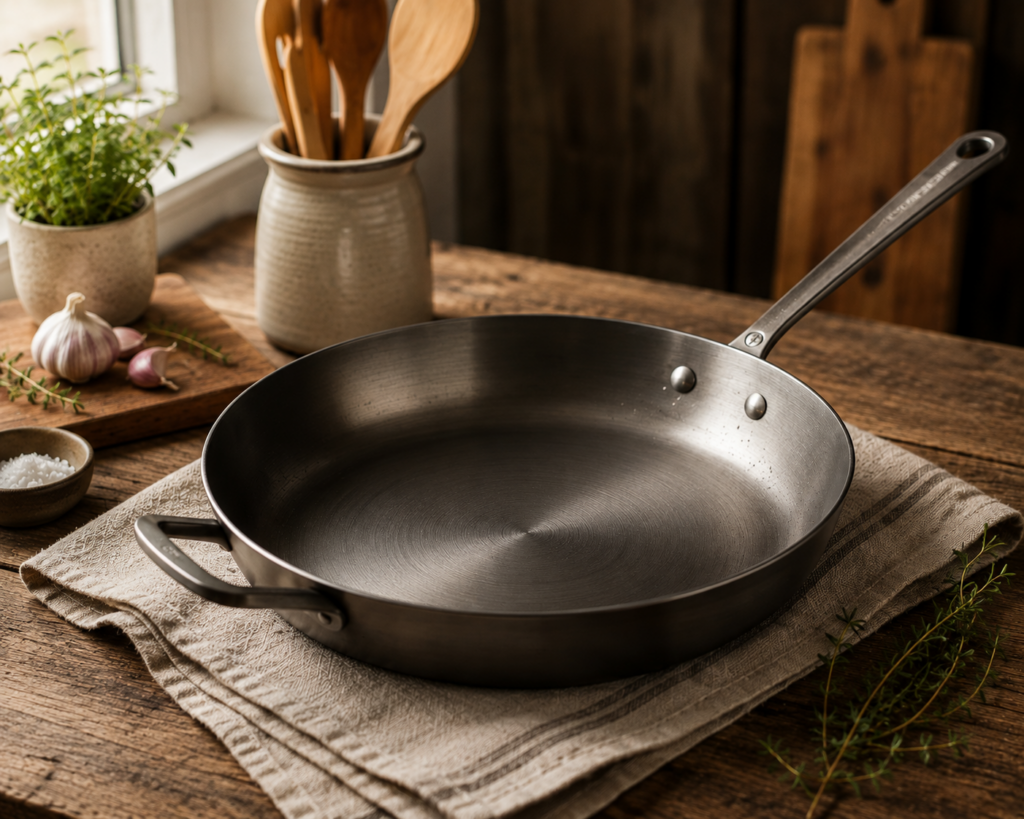

No comment yet, add your voice below!